
How Your NYSC Experience Can Help You Secure a Master’s Scholarship Abroad

Did you just graduate from a Nigerian university? Maybe you’ve already finished your NYSC, or you’re about to start it. Either way, you might be asking yourself: “How can I study abroad with a scholarship?”
Here’s something important to know — many international scholarships don’t ask for your NYSC certificate. But that one year you spent serving Nigeria can actually be the secret to making your scholarship dreams come true. Sounds surprising? Let’s break it down in a simple way.
Why NYSC Matters More Than You Think
Many students believe scholarships are only about grades. If you have a First Class or strong Second Class Upper, that’s great — but it’s not enough on its own.
Scholarship providers are not only looking for book-smart students. They want well-rounded people who have experience, who can solve problems, and who care about helping others.
That’s where NYSC comes in. During your service year, you probably worked, volunteered, or led a project — and all these things can help you stand out when applying for fully funded master’s scholarships like Chevening, DAAD, Erasmus, Mastercard Foundation, and more.
How NYSC Can Help You Get a Scholarship
Let’s go through the main ways your NYSC can boost your scholarship application:
1. Use NYSC as Work Experience
Most master’s scholarship forms ask: “Do you have any work experience?” Some people think NYSC doesn’t count. But that’s not true — it absolutely does!
Did you work as a teacher, admin staff, clinic assistant, or even at a radio station? That’s real experience.
Here’s what to do:
-
Write clearly about your duties in your CV.
-
Explain how you solved problems or helped people.
-
Show growth. For example: “Helped improve WAEC results by organizing free weekend lessons.”
Also, get a reference letter from your supervisor or boss at your PPA (Place of Primary Assignment). If you were serious and hard-working, they’ll be happy to recommend you.
2. Show Leadership Skills
NYSC gives you many chances to lead. Were you a:
-
Platoon leader?
-
CDS president or secretary?
-
Someone who started a project or solved a problem?
That’s leadership!
In your personal statement or SOP (Statement of Purpose), talk about how you led a team or handled a difficult task. Even if it was small, show how you took charge and made a difference.
Leadership is one of the top things scholarship bodies look for.
3. Talk About Community Service
CDS (Community Development Service) is a big part of NYSC. But many corpers just attend and go home. If you did anything extra — like helped children learn, joined a clean-up project, or organized medical outreach — write about it.
When applying for a scholarship, this shows you care about others. It proves you’re the kind of person who will go abroad, learn, and come back to help your country.
This is especially important for scholarships like Mastercard, Chevening, and Commonwealth that want change-makers and community leaders.
4. Get a Strong Letter of Recommendation
One of the documents needed for scholarships is a reference letter. Most people only use their lecturers. But you can also get a letter from your NYSC supervisor, school principal, LGI, or even someone at your CDS group.
Make sure this person knows you well and can say you are:
-
Hardworking
-
Reliable
-
Committed
-
A good team player
Start early. Build good relationships during your NYSC so you won’t struggle later.
5. Talk About Growth and Life Lessons
Did NYSC take you to a village you never heard of? Did you live without power or internet? Did you teach kids who didn’t speak English?
These experiences may seem tough, but they shape you.
In your scholarship essay or interview, talk about:
-
How you became stronger
-
How it changed your view of life
-
How it helped you decide your career path
Scholarship boards love to hear these real-life growth stories.
6. Prepare for Scholarship Interviews with NYSC Stories
If you get invited for an interview, your NYSC stories can help.
Instead of giving boring answers, share a real story:
-
A time you failed but didn’t give up
-
A conflict you solved at your CDS group
-
A challenge you faced at your PPA and how you handled it
These stories will make your answers memorable. They show you’re mature and ready for the next step.
What to Do After NYSC (Especially If You Want to Study Abroad)
NYSC has ended. You’ve done your parade and worn your white and green for the last time. Now what?
This stage is very important. You need to move smart and plan well. Here’s a guide:
1. Start Applying for Master’s Scholarships
Don’t wait. Start researching now.
Look out for scholarships like:
-
Chevening (UK)
-
DAAD (Germany)
-
Erasmus+ (Europe)
-
Mastercard Foundation
-
Japanese MEXT
-
Swedish Institute Scholarship
-
Fulbright (USA)
Start gathering your documents:
-
University transcript
-
NYSC certificate
-
Statement of Purpose
-
CV
-
Passport
-
Reference letters
Deadlines come quickly. The earlier you start, the better your chances.
2. Build a Strong CV and LinkedIn Profile
Your CV should show:
-
Your NYSC role
-
Your projects or achievements
-
Any leadership or volunteer work
Don’t lie — just present the truth in a smart way.
Also, create or update your LinkedIn profile. Connect with alumni of the scholarship you want to apply for. Join groups. Follow scholarship pages. Opportunities often come through people.
3. Apply for Graduate Trainee Jobs
While waiting for scholarship results, apply for jobs. Big companies like banks, NGOs, and telecom firms have graduate trainee programs.
Your NYSC shows you have already worked in a structured environment. That’s a plus!
Even if it’s a short job, you’ll gain more experience, and it won’t stop your scholarship dream.
4. Take International Exams
Many universities abroad ask for:
-
IELTS or TOEFL (English test)
-
GRE or GMAT (for some master’s programs)
Take these exams early. They are valid for 2 years.
If you can’t afford them yet, plan and start saving. Some scholarships even offer fee waivers or refunds for accepted students.
5. Learn a Tech or Digital Skill
You don’t have to be a coder to benefit from tech. There are many high-paying, in-demand skills you can learn such as:
-
Data analysis
-
Digital marketing
-
Graphic design
-
Product management
-
UI/UX design
-
Cybersecurity
Some scholarships and jobs abroad ask for digital skills or value candidates who can use tech to solve problems. This could give you an edge.
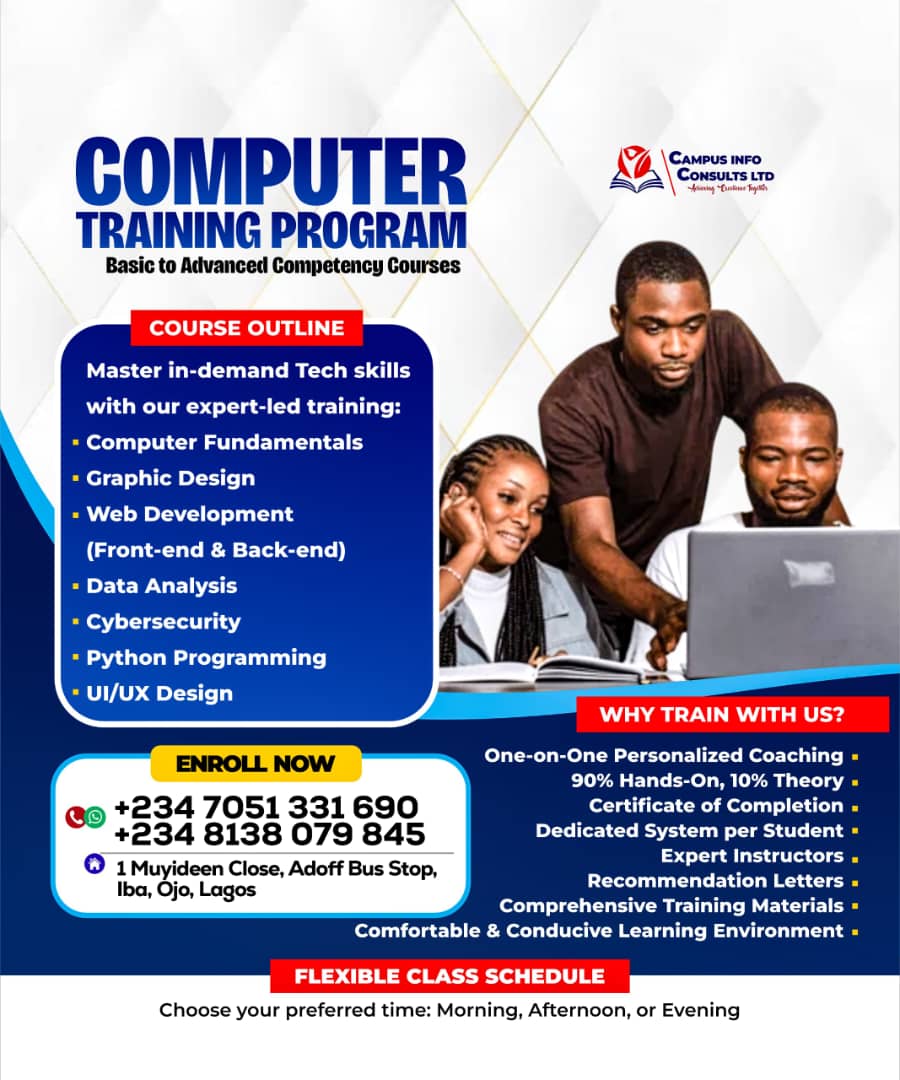
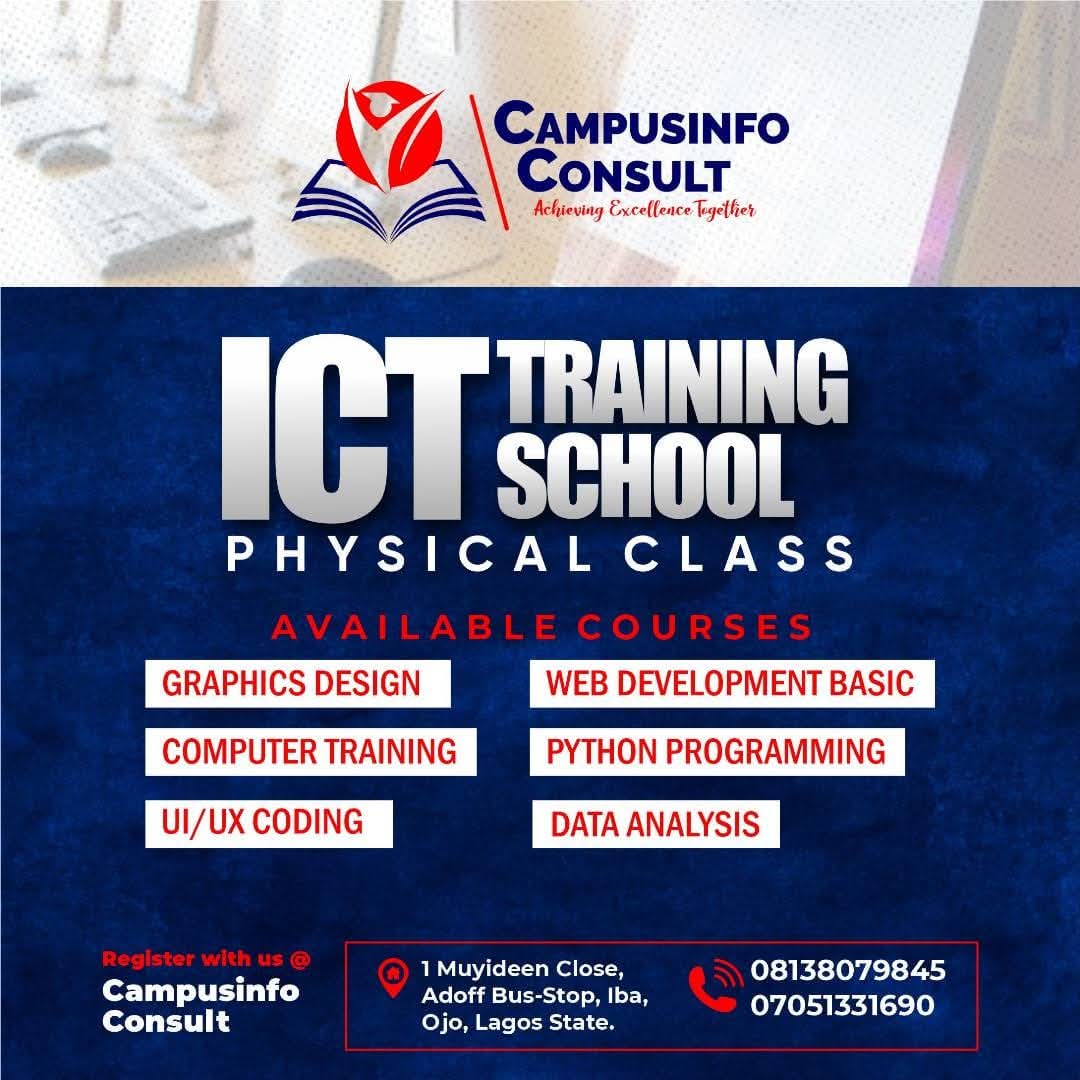
looking for where to learn a Tech or Digital skill? see flier below.
6. Volunteer or Intern While Waiting
If you don’t have a job yet, look for where you can volunteer — with an NGO, school, hospital, or online.
This keeps you active. It gives you experience and things to talk about in your application. It also builds your network.
7. Set a Clear Goal for Your Career
Ask yourself:
-
What do I really want to do in life?
-
What kind of job or career do I want in the next 5–10 years?
-
What skills do I need to get there?
Once you know this, it’s easier to plan. You’ll know what scholarships to apply for, what courses to take, and what steps to follow.
Final Words: Let NYSC Speak for You
NYSC is more than just one year of service. It is a golden opportunity to:
-
Build experience
-
Show leadership
-
Help communities
-
Grow as a person
-
And prepare for your next big step
Many Nigerian scholarship winners didn’t just use their grades — they used their NYSC year as proof that they are responsible, hardworking, and ready to make an impact globally.
So don’t just pack your khaki and move on. Use everything you learned and did during NYSC to your advantage.
This could be the beginning of something great. You’ve served your country — now get ready to serve the world with your knowledge, passion, and purpose.

Join Our Community
Stay ahead with exclusive campus news, admission updates, scholarships and student opportunities.
1 Comment
Leave a Comment
You May Also Like
More



This helps a lot