
LASU 3rd CGNS Education Summit: Experts Call for Shift From Palliative ‘Dotes’ to Real ‘Antidotes’ Against Poverty

“EDUCATION REMAINS THE STRONGEST ANTIDOTE, THE GREAT EQUALISER THAT EQUIPS CITIZENS WITH THE SKILLS AND MINDSET TO THRIVE IN HUMAN CAPITAL DEVELOPMENT”
… Director-General, Administrative Staff College of Nigeria (ASCON), Topo Badagry, Lagos State.
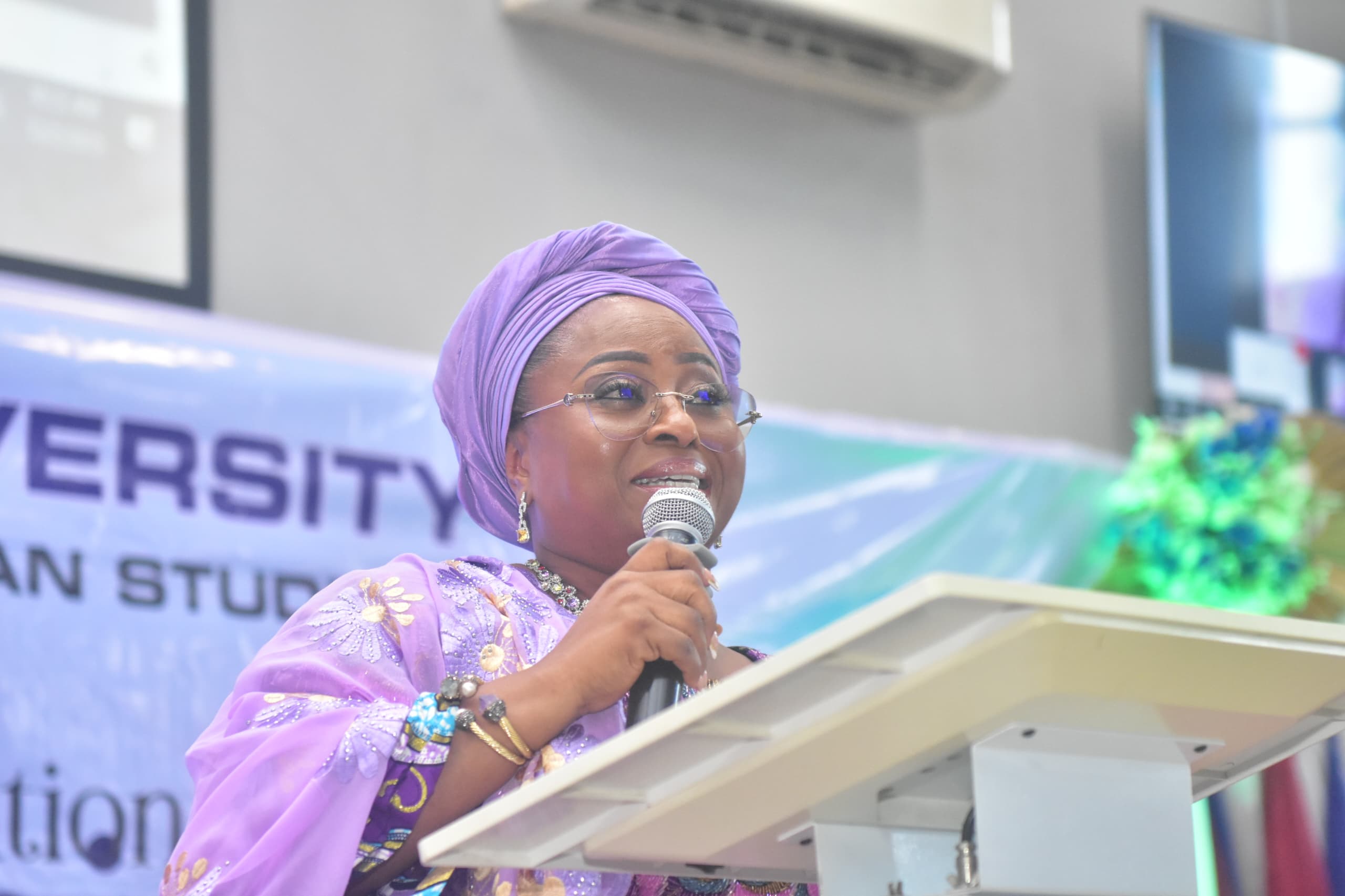
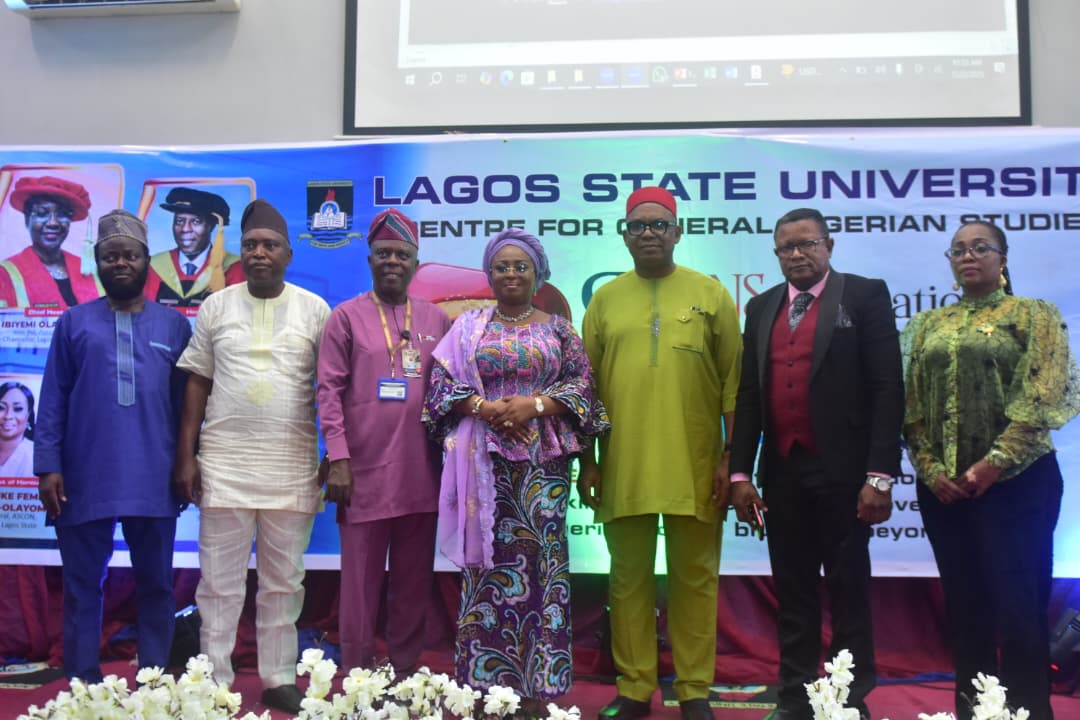
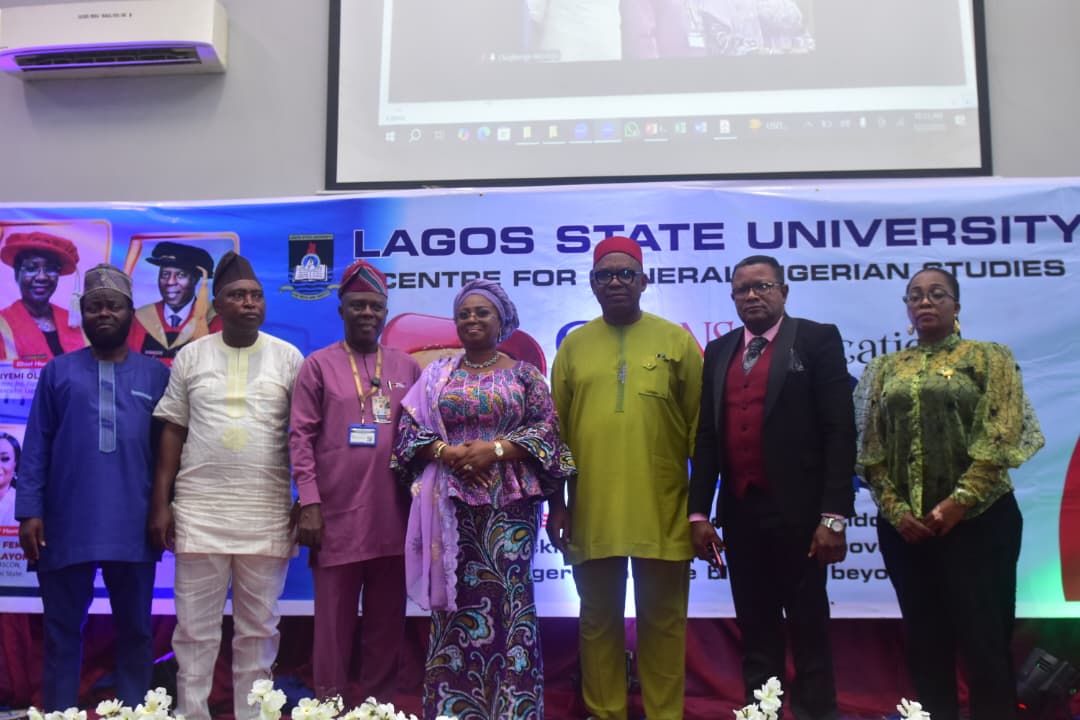
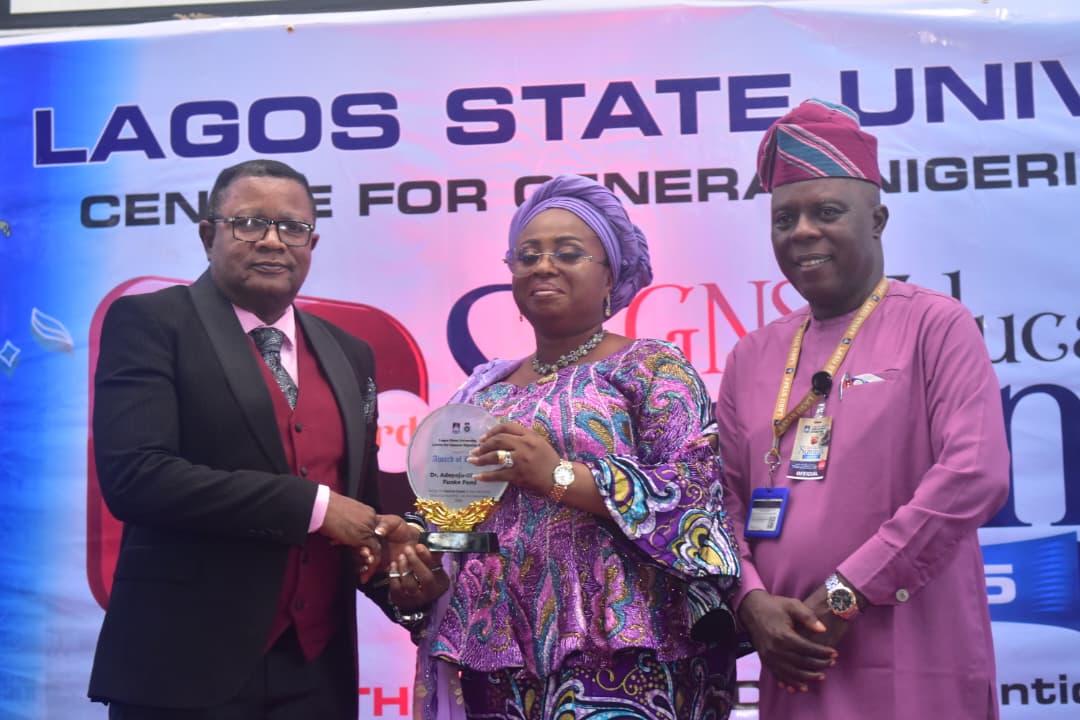
The Director-General of the Administrative Staff College of Nigeria (ASCON), Topo Badagry, Lagos State, and Special Guest of Honour at the 3rd CGNS Education Summit, Dr Funke Adepoju-Olayomi, affirmed in her address that education remains the strongest antidote, the great equaliser equipping citizens with the skills and mindset required to thrive in human capital development. She noted that education strengthens governance structures, creates supportive ecosystems, and shifts the nation’s trajectory towards shared prosperity, emphasising that poverty remains a lived reality.
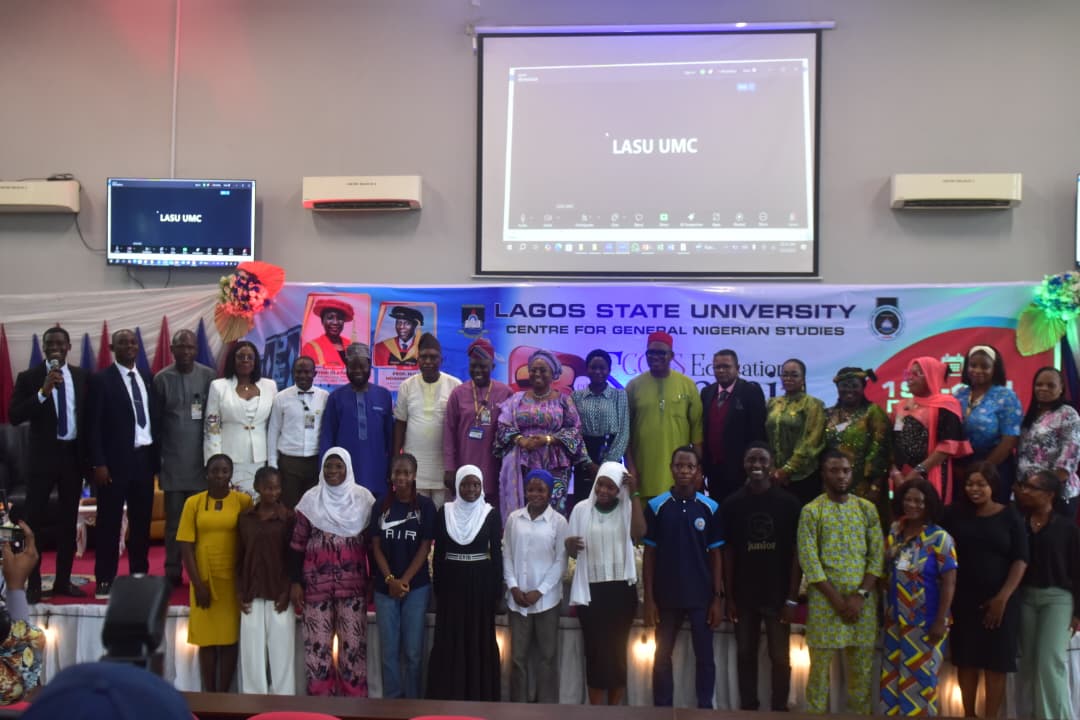
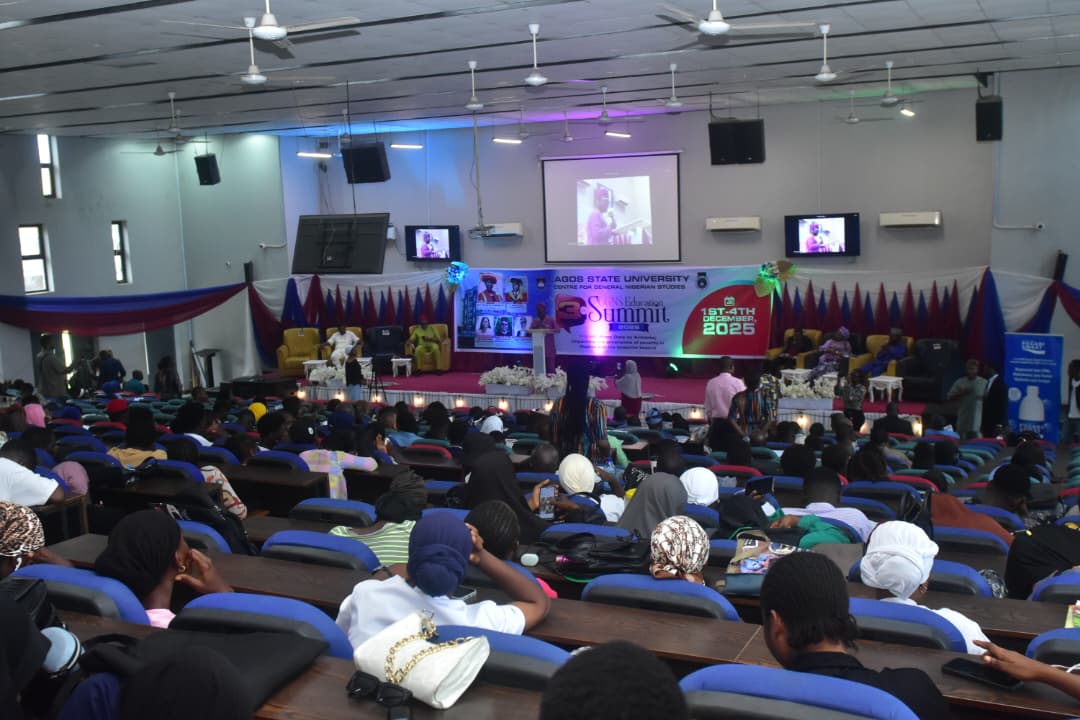
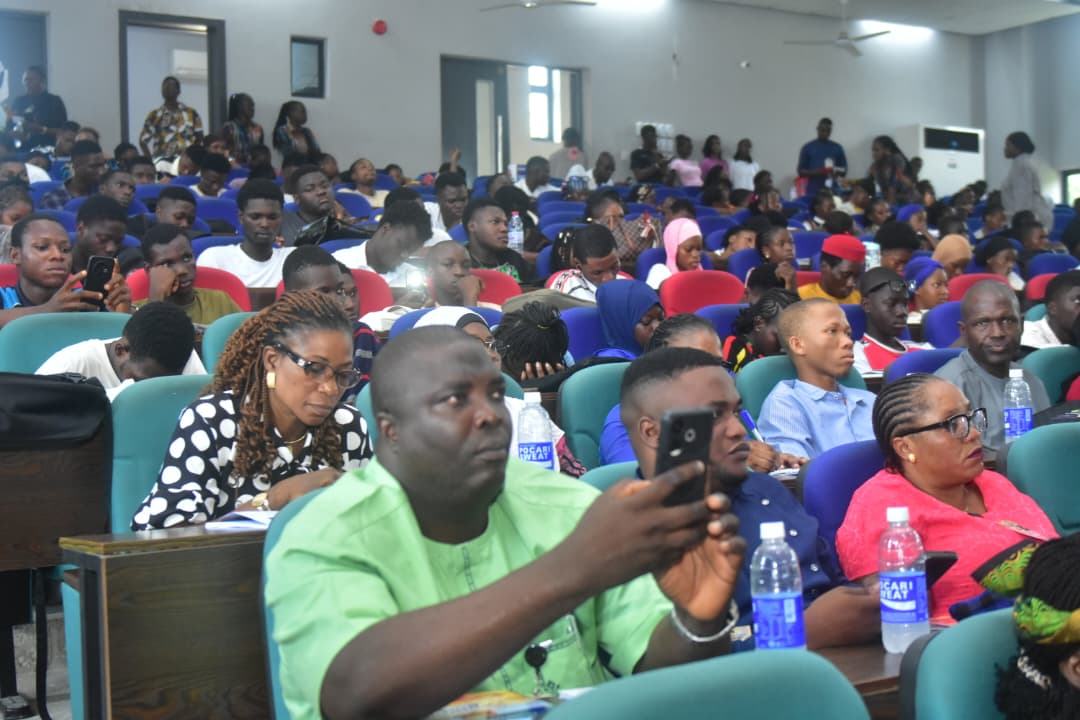
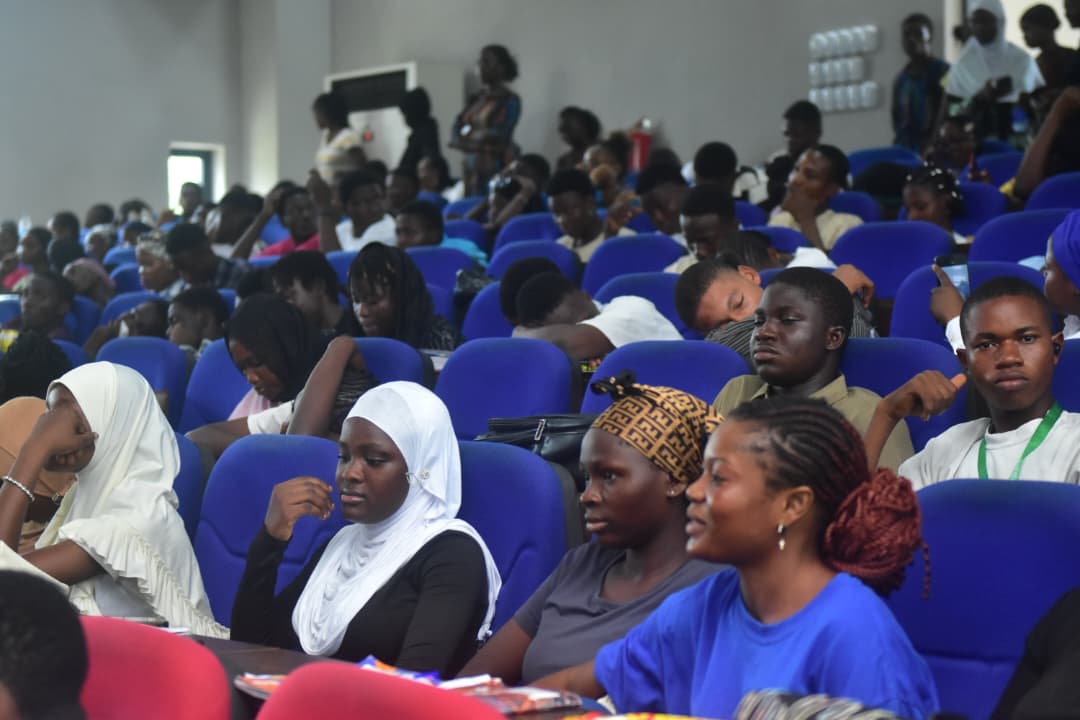
She made this assertion at the 3rd Centre for General Nigerian Studies (CGNS) Education Summit, held at the Aderemi Makanjuola Lecture Theatre, LASU main campus, Ojo, Lagos, on Tuesday, 2nd December 2025.
Reflecting on her experiences, Dr Adepoju-Olayomi expressed confidence that the robust conversations and outcomes from the summit would provide actionable blueprints for policymakers and institutions, translating into measurable impacts. She reiterated that much progress is underway and that education remains a game-changer within that space.
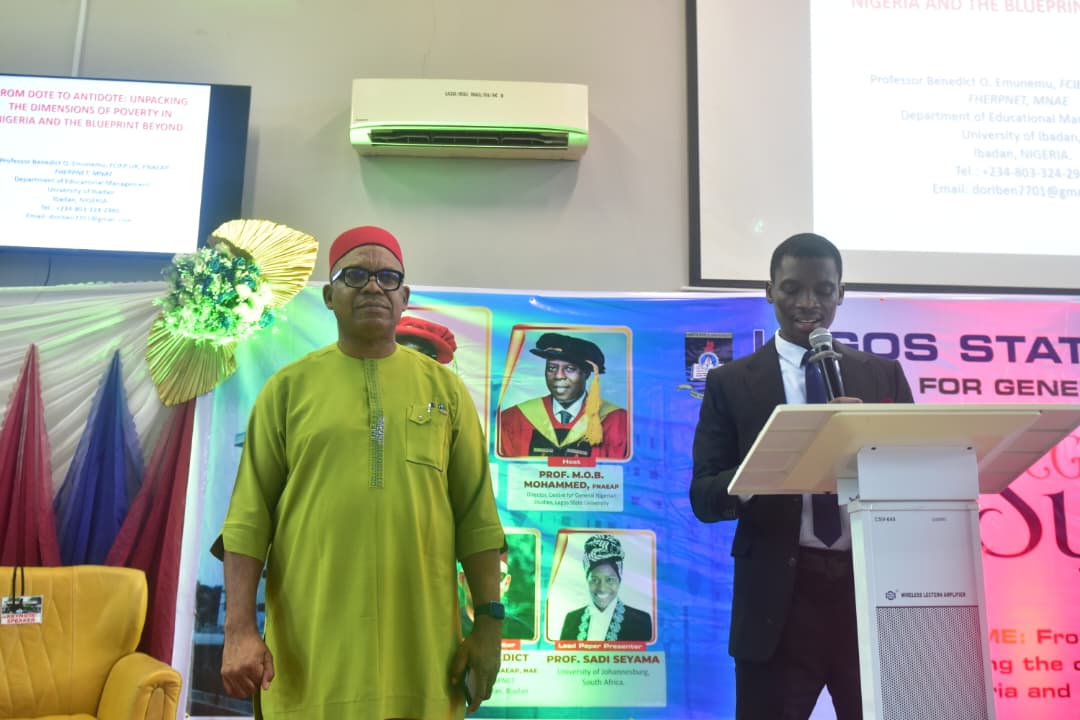
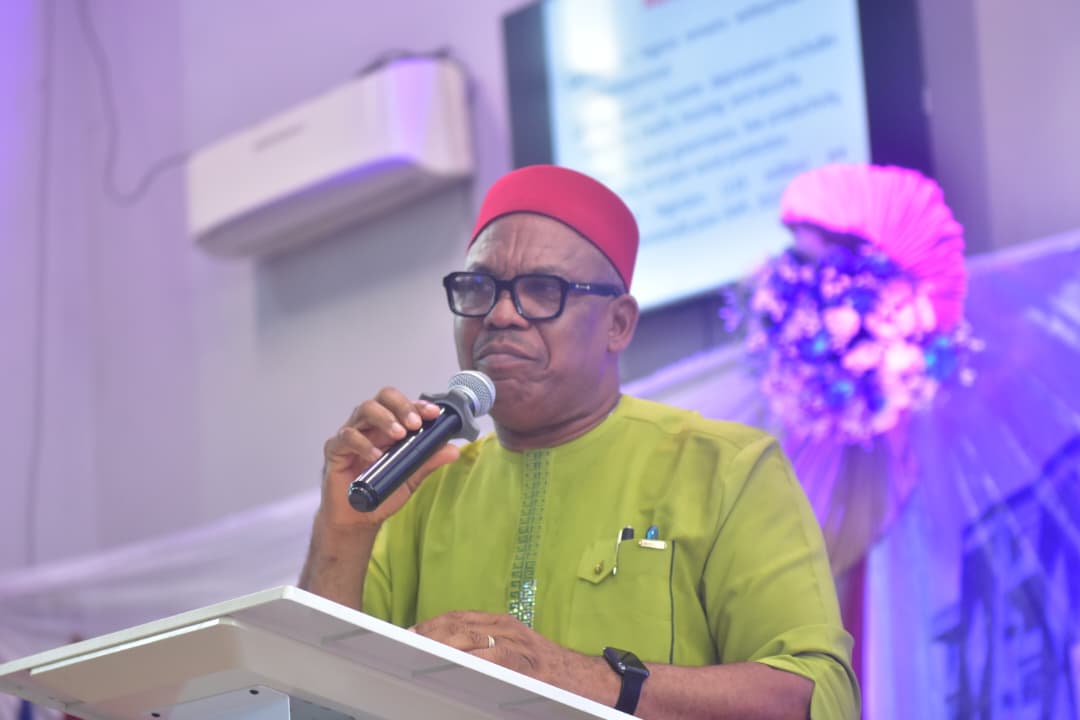
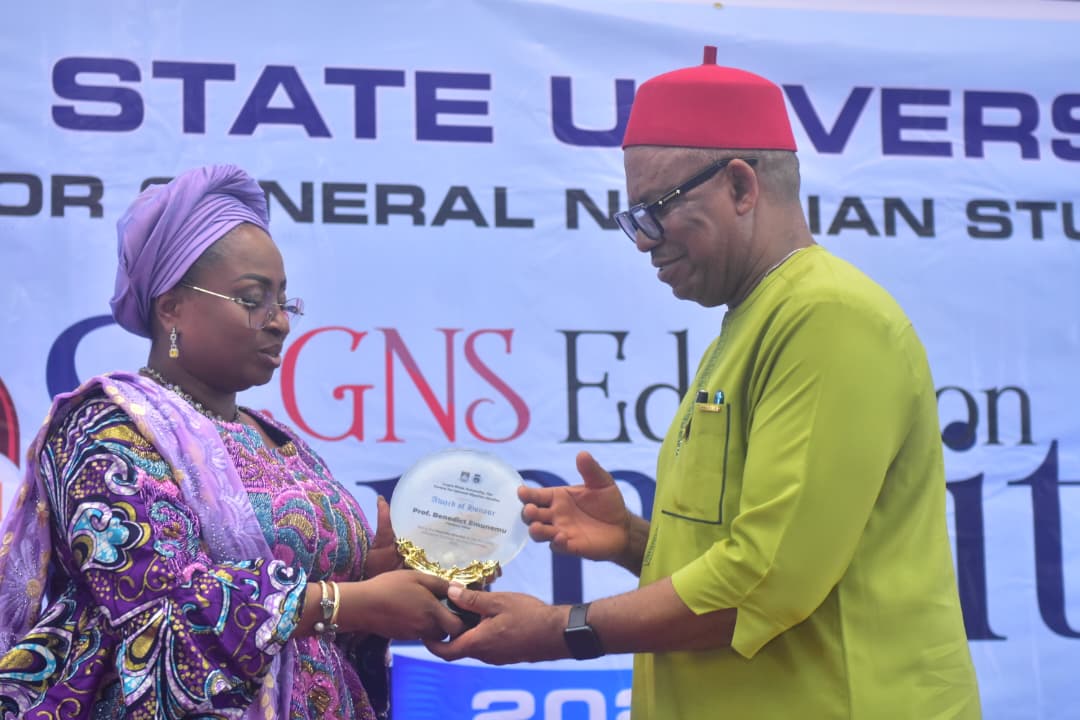
Delivering the keynote address, the President of HERPNET, University of Ibadan, Professor Benedict Emunemu, FNAEAP, NAE, spoke on the summit’s theme: “From Dotes to Antidotes: Unpacking the Dimensions of Poverty in Nigeria and the Blueprint Beyond”. He exposed the multifaceted scourge of deprivation affecting 133 million Nigerians, according to the 2022 Multidimensional Poverty Index (MPI). He highlighted that poverty extends beyond income, encompassing deficits in education, health, housing, and security issues rooted in colonial legacies, corruption, overdependence on oil, and weak governance structures. He contrasted “dotes”, or mere palliative measures such as PAP, NAPEP, and N-Power, with “antidotes”, which involve systemic solutions through economic diversification, institutional reforms, and human capital investment.
Professor Emunemu further emphasised that the unpacked dimensions of poverty reveal economic strains from unemployment and inflation; social barriers including educational and gender inequalities most severe in northern states; political challenges arising from policy inconsistency; infrastructural deficits in power and transport; and environmental threats such as desertification and flooding. He outlined targeted strategies for sustainable poverty reduction, advocating evidence-based policies supported by strengthened monitoring and evaluation systems.
He urged Nigeria to move from temporary fixes to structural, long-term strategies anchored in integrated, inclusive, and evidence-driven reforms. He stressed that sustainable development depends on robust governance, empowerment initiatives, and community participation.
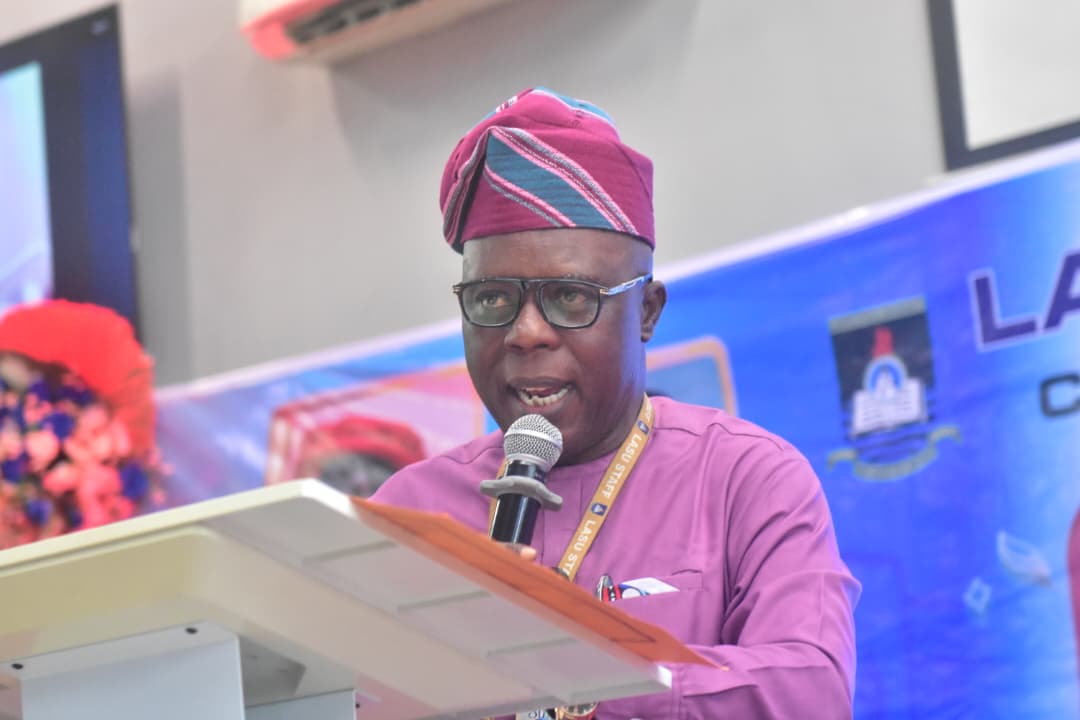
The Director of the Centre for General Nigerian Studies (CGNS), Professor M.O.B. Mohammed, FNAEAP, in his welcome address, expressed profound gratitude to the University Management, led by the Vice-Chancellor, Professor Ibiyemi Olatunji-Bello, mni, NPOM, for granting the Centre the opportunity to hold its 3rd Education Summit under her administration. He appreciated all invited guests, speakers, and participants for their presence. According to him, their attendance, representing a broad spectrum of policymakers, educators, and thought leaders, underscores the significance of the issues being addressed. He noted that the summit combines both academic and social engagement.
Professor Mohammed urged participants to fully engage with the sessions, contribute their unique insights, and help transform ideas into policy recommendations capable of driving real change.
Earlier, the Chairman of the Local Organising Committee, Professor Rahman Saka, stated in his remarks that the gathering was dedicated to intellectual reflection, national renewal, and the search for sustainable solutions to one of Nigeria’s most persistent challenges: POVERTY. He called on participants, researchers, and academics to move beyond identifying poverty merely as a statistic or inherited burden, and instead interrogate its historical roots, structural drivers, and contemporary manifestations; whether economic, educational, political, cultural, or technological. He challenged them to collectively design an antidote anchored in evidence, innovation, and inclusive development. He urged participants to ensure that the summit not only diagnoses Nigeria’s challenges but also produces concrete, actionable strategies capable of moving the nation from dote to antidote, from limitations to possibilities, and from rhetoric to reform.
Goodwill messages were delivered by the Dean of the Postgraduate School, Professor Ibrahim Olateju, and the Dean of the Faculty of Social Sciences, Professor Adigun Lawal.
The summit concluded with a vote of thanks by the Deputy Registrar/Secretary, Centre for General Nigerian Studies, Mr Ademola Adekoya.
We are LASU, We are Great!

Join Our Community
Stay ahead with exclusive campus news, admission updates, scholarships and student opportunities.
You May Also Like
More


Be the first to comment